
Risks of Buying a District 7 Apartment: 7 Mistakes That Could Cost Investors Money

District 7 has long been considered one of the most stably developing urban areas in HCMC. However, despite its outstanding infrastructure, amenities, and residential community, the risks of buying an apartment in District 7 are still easy for first-time buyers to overlook. In practice, many buyers end up disappointed after taking handover or lose money because they misjudge the market. This article summarizes the most common risks and ways to help you feel more confident when buying an apartment in District 7 in 2025.
1. District 7 Is Attractive, but Buying an Apartment There Is Not Absolutely Risk-Free
When people think of South Saigon, most investors immediately think of District 7, home to a series of high-end projects, large shopping malls, international schools, and a network of wide arterial roads. Compared with many other areas, District 7 is highly stable, with strong rental demand and an outstanding quality of life.
This very strong development can make many buyers complacent. They often assume that District 7 has no risks, leading them to place a deposit too quickly or simply follow what the broker says. However, in reality, many people face risks when buying an apartment in District 7 simply because they fail to check the legal status, do not accurately assess the true value, or view the property at a time when traffic does not reflect their usual commute.
Not every project in District 7 is perfect, and not every apartment is suitable for investment. Therefore, seeing the risks clearly from the outset will help you buy an apartment in District 7 smartly and safely, with sustainable returns.
2. Legal Risks and Handover Quality: The Buyer’s Biggest Concerns
Among the risk categories involved in buying an apartment in District 7, legal status always comes first because it directly affects ownership and the ability to use the apartment.
Unclear Legal Status and Delayed Pink Books
Many projects in HCMC have experienced delays in fire-safety acceptance, incomplete documentation, or lengthy delays in issuing Pink Books. This makes it difficult for buyers to obtain a bank loan, prevents them from transferring ownership, and ties up their capital for a long time.
Handover That Does Not Match the Commitment
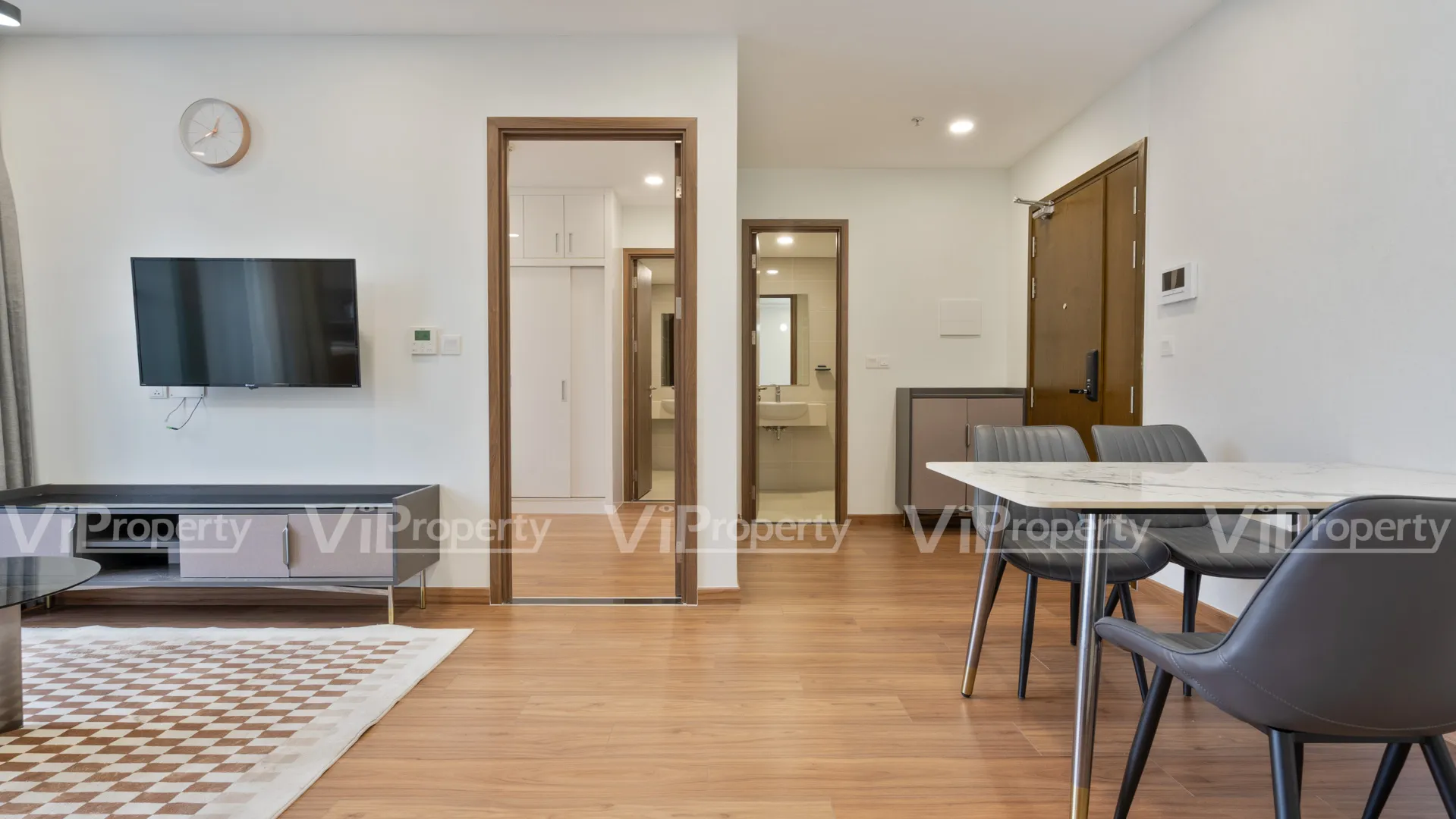
Another group of risks concerns handover quality. Some developers may cut back on materials, change the design, delay completion of internal amenities, or fail to deliver the sound insulation quality advertised. These issues often only become clear when you take handover, by which time it is too late.
How to Limit Legal and Handover Risks

To manage this group of risks, buyers should take the time to carefully review each item in the legal file, such as fire safety, construction completion records, and construction permits. In addition, the handover standards specified in the contract should be read carefully and compared with the actual condition of apartments handed over in completed buildings by the same developer. Asking residents who live in another project with the same operating system for their opinions can also help you make a more accurate assessment.
By being careful from the outset, you can eliminate more than half of the legal and handover risks of buying an apartment in District 7.
3. Financial Risks: Inflated Prices, Hidden Fees, and Poor Liquidity
Many people lose money when buying an apartment in District 7 not because the market is bad, but because they misjudge the apartment’s value from the outset.
Prices Inflated Above Actual Value

Some projects experienced artificial price increases during market booms due to herd mentality or sales strategies. New buyers often lack time to survey the market and may easily trust the prices quoted by brokers, making it common to pay VND 200 to 500 million above the market rate.
Unreasonably High Management and Operating Fees

Management fees in District 7 typically range from VND 14,000 to 22,000 per square metre. However, a high fee does not always come with matching operating quality. If the building is not well maintained and residents complain about the lifts, pumps or cleaning, this long-term expense becomes a burden.
Low Liquidity for Units with Weaknesses
Being in District 7 does not automatically make an apartment easy to let or resell. Units with poor layouts, low floors facing noise or lacking light all struggle with liquidity.
How to Stay Financially Safe When Buying an Apartment
To limit this group of risks, buyers should compare at least three to five equivalent projects in the area. Check the operating fee schedule carefully and assess the residents already living there. When calculating rental profit, use actual rents rather than advertised ones. Finally, prioritise units with good light, open views and sensible layouts to protect long-term value.
4. Location and Traffic Risk: Easy to Misjudge If You Only View a Property at Weekends
Although District 7 has good infrastructure, there are still bottlenecks at peak hours on Nguyen Van Linh, Nguyen Huu Tho and Tran Xuan Soan. If you only view a property at midday or at weekends, it is very easy to misjudge the real commute.
Why Buyers Are at Risk of This
Many customers view a property in a hurry, do not test the route at peak hours and rely only on the agent’s description. This creates an illusion about distance and travel time. Once they move in, their daily routines are affected, especially during school drop-off and pick-up or commuting times.
How to Avoid Location and Traffic Risk
Buyers should test the route between 7 and 9 in the morning and between 17 and 19 in the evening. They should also prioritise projects near main arteries or with alternative routes to avoid traffic congestion. Areas where residents have already settled usually provide a clearer, more realistic assessment of traffic.
Recognising this group of risks correctly helps you avoid one of the risks of buying an apartment in District 7 that first-time buyers most often overlook.
5. Risk from Unreliable Agents: A Mistake That Can Cost Buyers Money
District 7 has a very large number of agents, but not all of them understand the legal aspects or genuinely put their clients’ interests first.
Common Risks
Some agents inflate prices or provide inaccurate information about market prices. In some cases, they conceal an apartment’s weaknesses, such as an obstructed view or an actual area smaller than stated. Many agents are unfamiliar with a project’s legal status but still provide advice or show clients unsuitable apartments to maximise their commission.
Choosing the wrong person to work with is one of the biggest causes of risks when buying an apartment in District 7, as buyers can easily make decisions based on inaccurate information.
How to Choose the Right Person to Work With
Buyers should prioritise agents who specialise in one or two projects rather than covering an entire area. Ask for the original price list, the legal file, and a comparison of prices in the area. A firm with a multilingual support team and experience working with international clients can provide greater peace of mind.
Conclusion: Buying an Apartment in District 7 Safely Means Understanding the Risks
District 7 remains one of the most liveable and investable areas in the south. Understanding the risks of buying an apartment in District 7 will help you make informed decisions, avoid costly mistakes, and ensure your property’s value grows over the long term.
If you want to buy an apartment in District 7 with clear legal status, true value, and high liquidity, completed projects with stable operations, such as apartments for sale at Eco Green Saigon, are a standout choice thanks to their civilised resident community, comprehensive amenities, and strategic location.
ViProperty is currently a leading transaction firm in District 7, with a team that understands the market, provides accurate legal support, and offers transparent market price comparisons. ViProperty accompanies you throughout the process of finding a suitable apartment, checking its legal status, and negotiating effectively, helping minimise risks when you commit your money.